Sustainability
Regenerative farming for a better tomorrow
Regenerative Farming Methods
At MUSSGO Farms in Mafinga, Iringa, sustainability is the foundation of how we grow Hass avocados. We practice regenerative agriculture — kilimo cha kurejesha — a holistic approach that goes beyond doing less harm to actively improve the health of our Southern Highlands ecosystem.
Regenerative agriculture focuses on rebuilding soil organic matter, restoring degraded soil biodiversity, and improving the water cycle. This approach creates a positive impact on the environment while producing high-quality crops.
Our methods are designed to work with nature, not against it, creating a resilient agricultural system that benefits the land, the community, and future generations.
Our Sustainability Practices
🌱 Soil Regeneration
We enhance soil health through organic matter enrichment, cover cropping, and minimal soil disturbance. Healthy soil sequesters carbon, retains water, and supports thriving plant life.
💧 Water Conservation
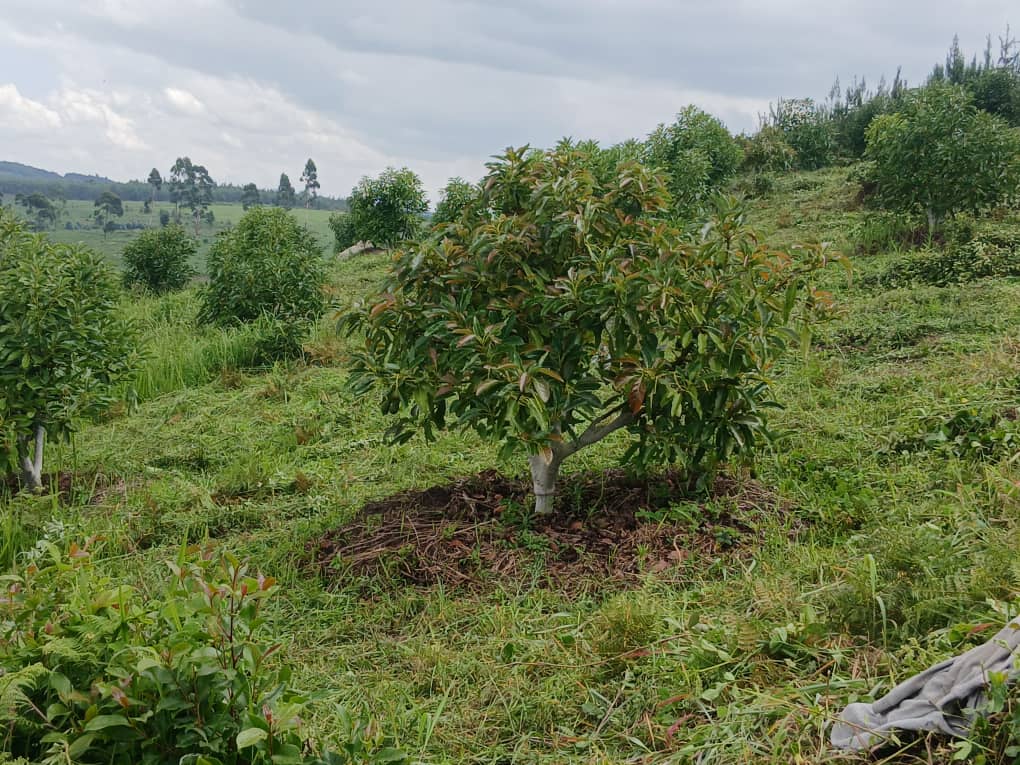
Our precision irrigation systems and water management practices ensure efficient water use. We harvest rainwater and use mulching techniques to retain soil moisture.
🌿 Biodiversity Enhancement
We maintain diverse ecosystems with native vegetation, wildlife corridors, and pollinator habitats. This biodiversity creates natural pest control and supports ecosystem resilience.
♻️ Carbon Sequestration
Through regenerative practices, our farm actively removes carbon from the atmosphere and stores it in the soil, contributing to climate change mitigation.
🚫 Chemical-Free Approach
We minimize or eliminate synthetic chemicals, using natural fertilizers, biological pest control, and integrated pest management strategies that protect both crops and environment.
🔄 Circular Economy
We implement circular economy principles by recycling organic waste into compost, using renewable resources, and minimizing waste throughout our operations.
Environmental Impact
Reduced Carbon Footprint
Our regenerative practices actively sequester carbon and reduce greenhouse gas emissions.
Enhanced Biodiversity
We support diverse ecosystems that benefit wildlife, pollinators, and native plant species.
Water Protection
Our practices protect water quality and ensure efficient water use for sustainable agriculture.
Community Impact
Our commitment to sustainability extends beyond environmental practices to include positive social and economic impacts on our local community.
- Employment Opportunities: We provide meaningful employment and fair wages to local community members.
- Knowledge Sharing: We share sustainable farming techniques with neighboring farmers, promoting wider adoption of regenerative practices.
- Community Investment: We invest in local infrastructure and support community development initiatives.
- Food Security: Our sustainable practices contribute to long-term food security and agricultural resilience in the region.
By combining environmental stewardship with community empowerment, we create lasting positive change that benefits everyone.